
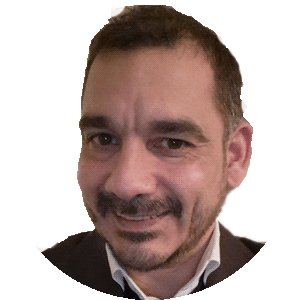
Hadi Strømmen Lile is a professor of law. He has a PHD from the Norwegian Centre for Human Rights. He has been working with human rights issues for almost 20 years as a researcher and practitioner in different human rights organisations. Before that, he was a TV- and newspaper journalist.

Danielle Haas is an editor and journalist who served as Senior Editor at Human Rights Watch from 2009 to 2023. Previously, she taught at Columbia’s Graduate School of Journalism and, as a Jerusalem-based correspondent for Reuters, the Associated Press, and the San Francisco Chronicle, reported on the Israeli-Palestinian conflict—including from the West Bank and Gaza—and from Iraq following the U.S. invasion.
More recently, she has become a leading voice for reform within the human rights sector, arguing that it has lost neutrality and credibility. Offering a rare insider’s perspective on the challenges within major human rights NGOs, she advocates for a renewed approach—Human Rights 2.0—grounded in core standards, accountability, and universalism.
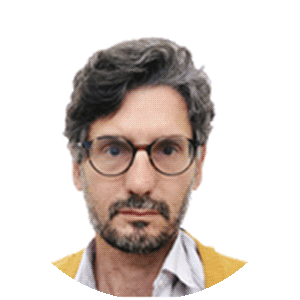
Dr. Mohar is a sociologist specializing in collective action in civil society, political violence, and terrorism. He is also co-lead of the Initiative for National Security and Human Rights. With a background in both academia and activism, Mohar has become a leading voice challenging selective outrage and ideological bias within the human rights community. In his recent writings, he argues for a rights discourse that balances compassion with realism, defending civilians on all sides while rejecting dehumanization. Mohar also leads the Pro-Human Campaign, a global coalition against dehumanization of both Palestinians, Israelis, Muslims and Jews. His work calls for a reinvention of human rights as a truly universal and solution-oriented practice—one that recognizes both security needs and the pursuit of dignity for all.
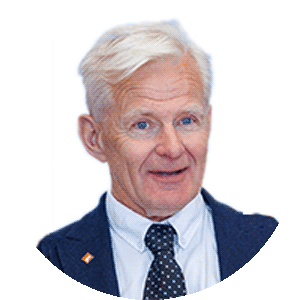
Jan Egeland is a Norwegian diplomat and humanitarian leader currently serving as Secretary General of the Norwegian Refugee Council (NRC). With a long career at the intersection of diplomacy and human rights, he previously held key roles at the United Nations, including Under-Secretary-General for Humanitarian Affairs and Emergency Relief Coordinator. Egeland has mediated peace processes in Central America, the Middle East, and Africa, and is recognized as one of the leading international advocates for the protection of civilians in armed conflict. He continues to be a central voice in global humanitarian policy, calling for accountability, impartiality, and renewed moral clarity in international aid and human rights work.
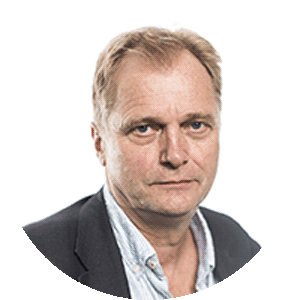
Dr. Erik Fosse is a Norwegian surgeon, professor, and humanitarian known for his extensive medical work in conflict zones, including Gaza, Afghanistan, and Lebanon. He co-founded and directs NORWAC (Norwegian Aid Committee), an organization providing medical aid and training in areas affected by war and crisis. Fosse has served as chief physician at Oslo University Hospital and professor at the University of Oslo, combining clinical practice with advocacy for civilian protection and ethical responsibility in warfare. His firsthand experience from Gaza and other conflict areas has made him a respected and sometimes controversial voice in Norwegian public debate. Through both his medical and academic work, Fosse emphasizes the human cost of war and the duty of the international community to uphold humanitarian principles beyond politics.