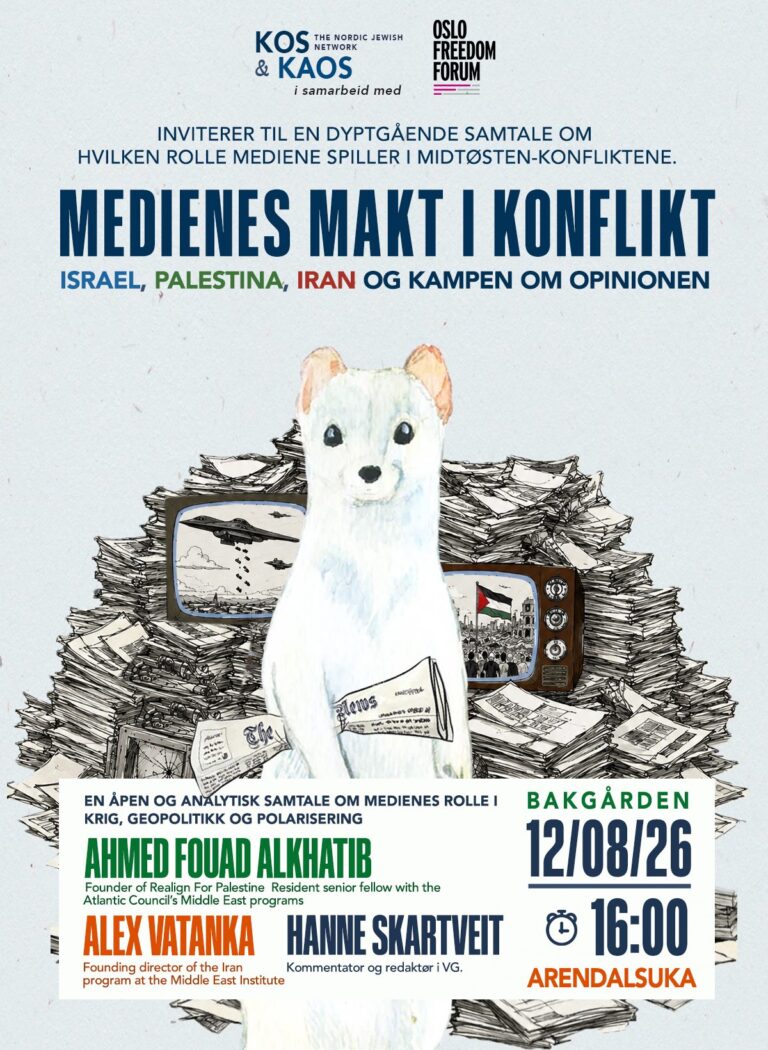
The Power of Media in Conflict: Israel, Palestine, Iran and the Battle for Public Opinion
At a full-capacity session at Arendalsuka, Hanne Skartveit, Ahmed Fouad Alkhatib and Alex Vatanka
A debate hosted by Kos & Kaos – The Nordic Jewish Network
In an era when human rights language shapes global perception of war and morality, Kos & Kaos invited four seasoned professionals with first-hand experience in the humanitarian field to ask a difficult question: Have human rights and humanitarian organizations become more political than principled?
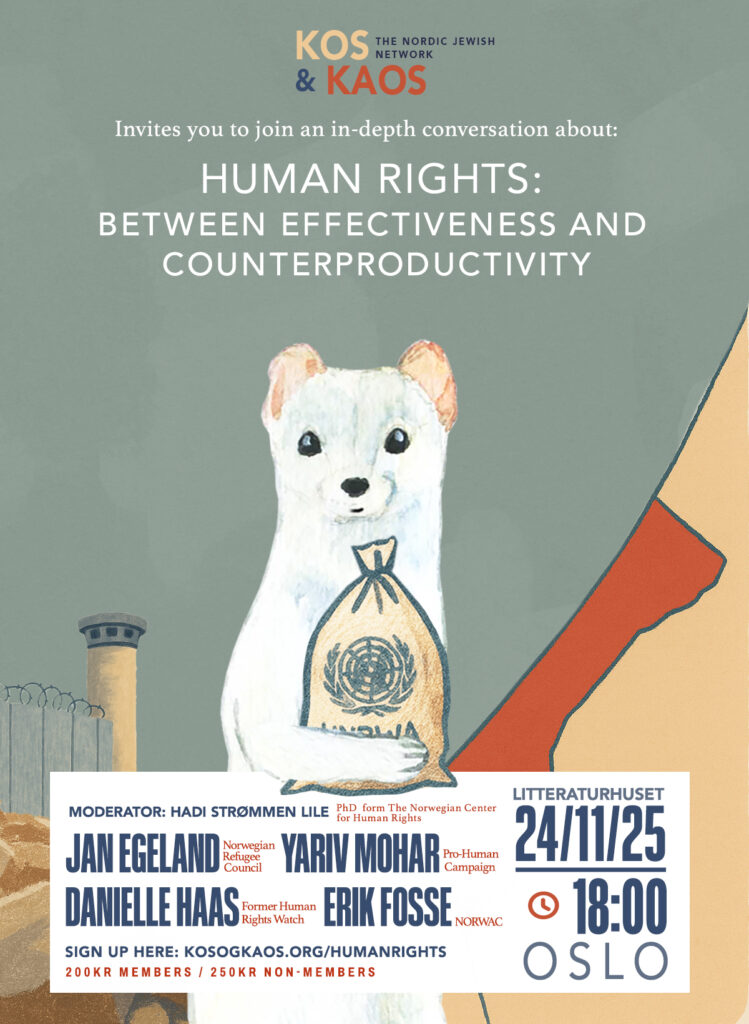
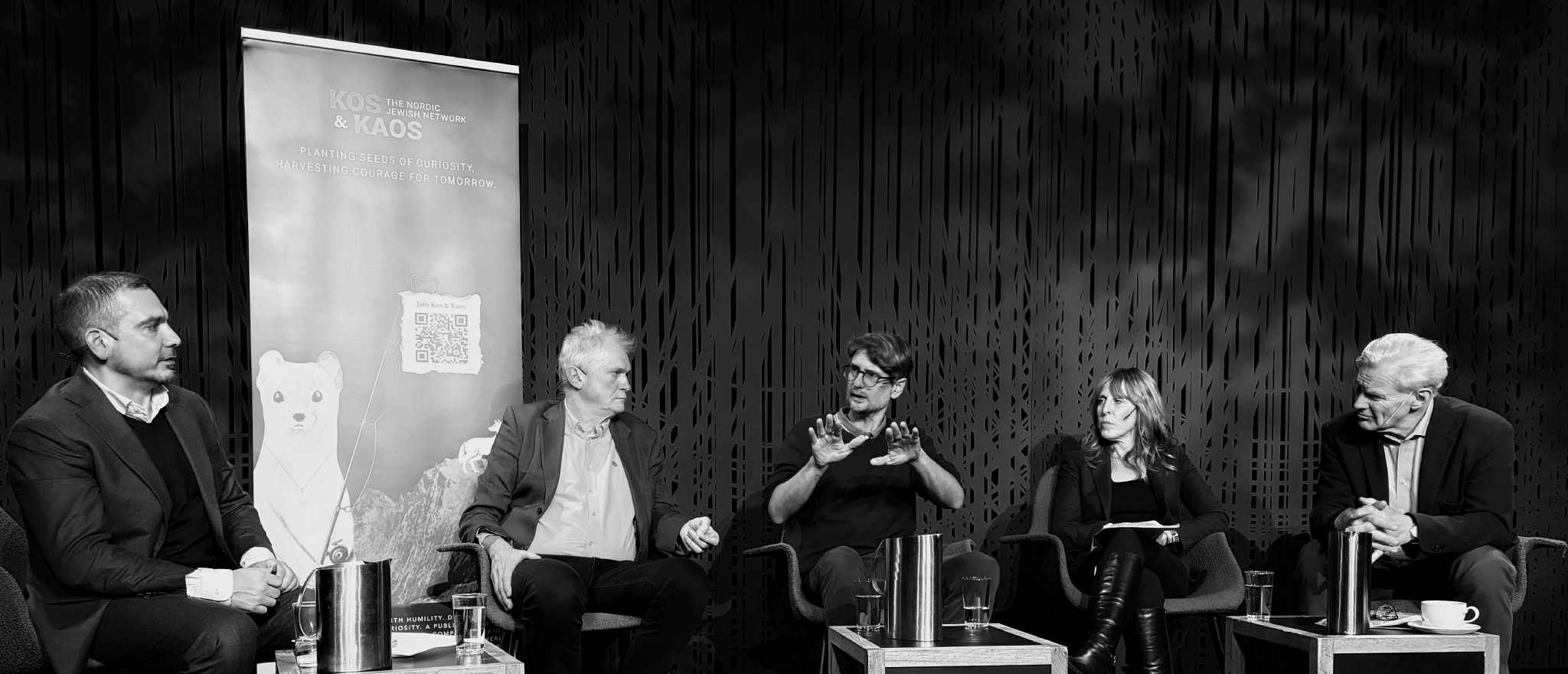
The panel brought together Danielle Haas (former Human Rights Watch, now senior fellow at the Institute for Global Affairs), Yariv Mohar (former spokesperson for Amnesty International Israel), Jan Egeland (Secretary General of the Norwegian Refugee Council), and Professor Erik Fosse (founder of NORWAC and long-time medical practitioner in Gaza). The discussion was moderated by Professor Hadi Strømmen Lile from Østfold University College.
For nearly two hours, the panel examined how human rights and humanitarian organizations operate in the fog of war — particularly in the aftermath of October 7th and Israel’s war against Hamas.
Danielle Haas opened the evening by describing how the ideals of human rights and humanitarianism have, in many institutions, been overtaken by internal politics and ideology. Drawing on 14 years inside Human Rights Watch, she spoke of a worrying erosion of universality, impartiality, and transparency, and warned of a “collapse from within” where dissent is punished and moral clarity replaced by political activism.
Yariv Mohar followed with a perspective from within Amnesty International. He agreed that many organizations have grown too ideological but argued that human rights work should still be “biased toward the victims.” The problem, he said, is that today’s discourse sees the world only through the lens of oppressor and oppressed. When atrocities against Israelis are ignored because they don’t fit that frame, human rights lose their universality.
Jan Egeland, drawing on decades of humanitarian work, defended the integrity of frontline organizations like the Norwegian Refugee Council, while acknowledging that polarization has poisoned even the humanitarian sphere. “It must be possible,” he said, “to condemn Hamas’ massacre on October 7th and at the same time describe the suffering in Gaza.” Egeland emphasized the need for accountability on all sides, warning that Israel’s actions in Gaza risked severe violations of international law and moral isolation.
Erik Fosse, who has worked in Palestinian hospitals since the 1980s, described what he has witnessed in Gaza: bombed hospitals, targeted ambulances, and a civilian population living in devastation. His appeal was pragmatic and humanitarian: “Both sides must respect the Geneva Conventions. Civilians and healthcare workers must be protected, whatever the politics.”
What emerged from the discussion was not agreement, but something rarer — an honest confrontation of complexity. The evening revealed the growing tension between ideals and institutions, and between moral responsibility and political advocacy.
As moderator Hadi Strømmen Lile noted, “International law is not neutral; interpretation is power.” The conversation illuminated just how deeply contested that power has become — and how essential it is to keep questioning it.
At a time when public debate about Israel and Gaza is often reduced to slogans, the evening demonstrated that dialogue is still possible — and that real understanding begins where certainty ends.
🎥 Watch the Henrick Beckheim Podcast with Danielle Haas and Yariv Mohar here
YouTube – Human Rights: Between Effectiveness and Counterproductivity


At a full-capacity session at Arendalsuka, Hanne Skartveit, Ahmed Fouad Alkhatib and Alex Vatanka
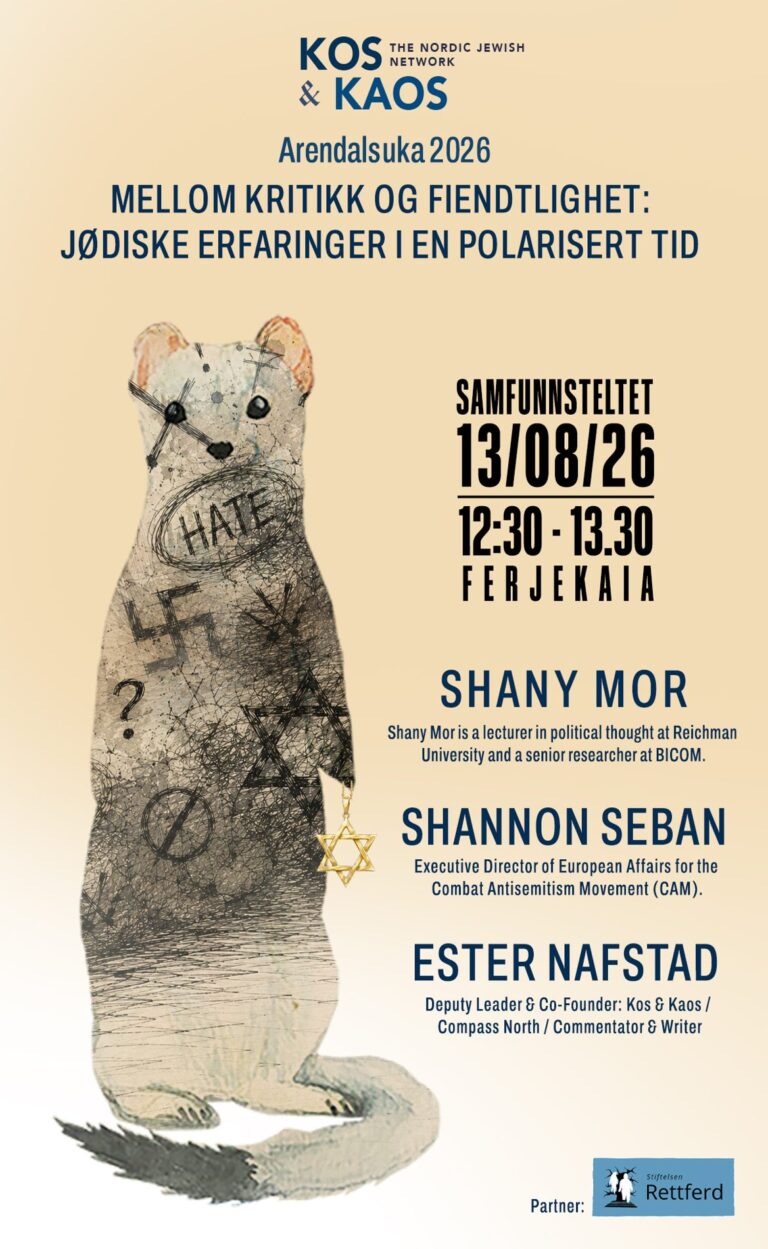
At a full Samfunnsteltet in Arendal, Kos & Kaos and Stiftelsen Rettferd brought together
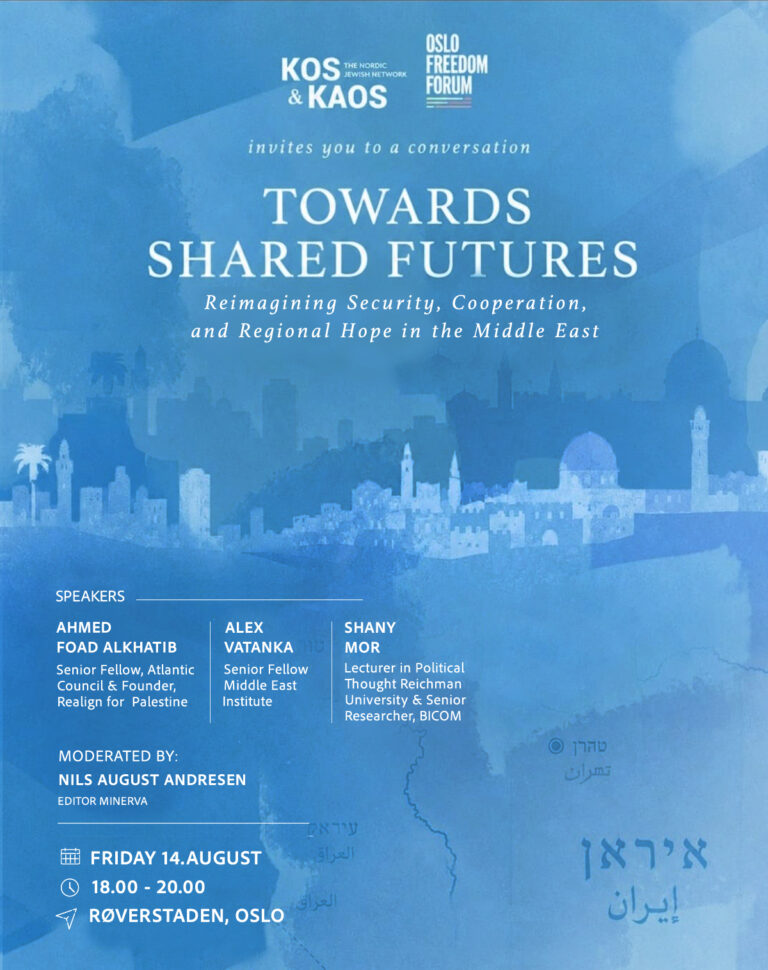
A full house at Røverstaden in Oslo joined Ahmed Fouad Alkhatib, Alex Vatanka and
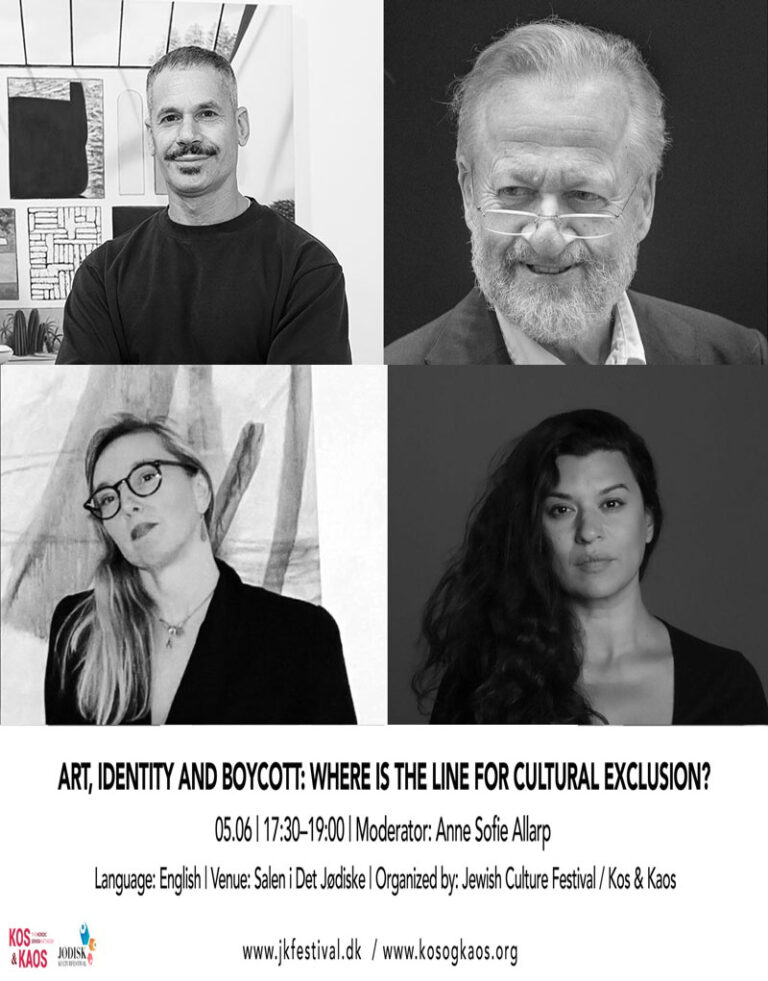
During this year’s Jewish Culture Festival in Copenhagen, Kos & Kaos gathered artists, critics

This year’s Lag BaOmer gathering brought our community out of the city and into
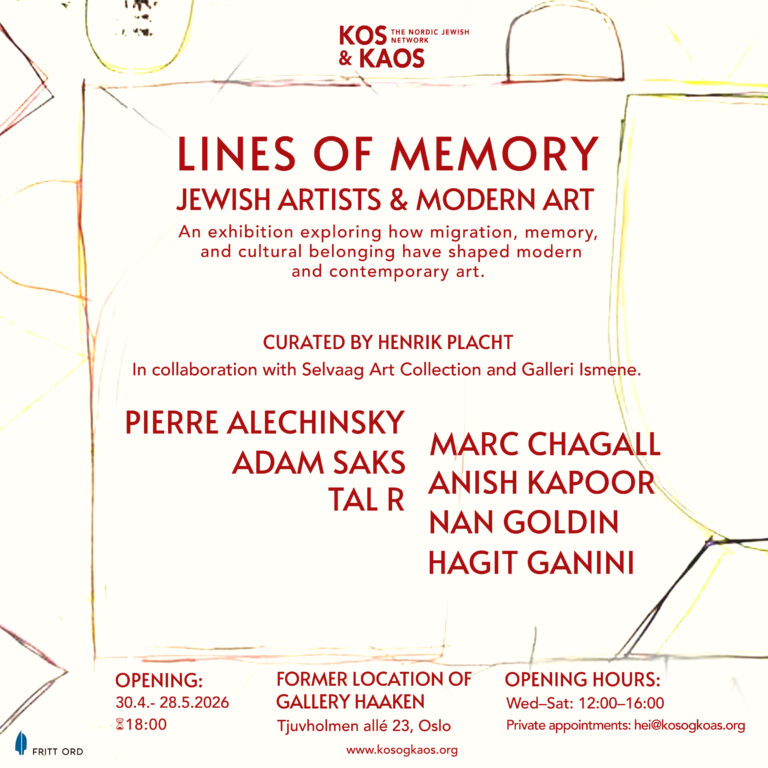
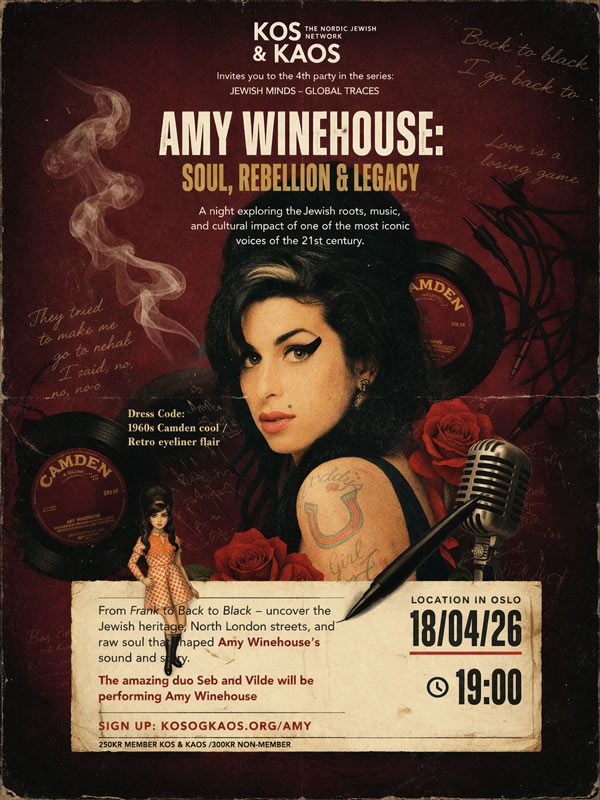
An intimate evening of music, culture, and community as Seb and Vilde performed Amy